
"Brazilian Santos coffee raw beans"
500 article(s) found

Description of the Flavor of Brazilian Hilado Coffee introduction to the region of Brand production by Grinding Calibration
Brazil Hilado Coffee Flavor description Grinding scale method Brand production area introduction Brazil has many large farms, operating endless coffee plantations, they use machines to harvest and use machines to dry, the efficiency of automation is very high, as if coffee is a general agricultural material, completely abandoning flavor and disregard. As a result, many select coffee companies simply do not sell Brazilian beans.

Raw beans Archives Raw beans Wholesale Brazilian coffee producing areas Brazilian pectin sun coffee beans
Professional barista exchanges, please pay attention to coffee workshop (Weixin Official Accounts cafe_style) When it comes to the origin of coffee in Brazil, the first thing people think of is Brazil in South America, because it is the largest coffee producer in the world. There are many types of Brazilian coffee, most of which are unwashed and dried. They are classified according to the state of origin and port of shipment. Brazil has 2.

South American boutique coffee beans Brazilian bourbon Santos coffee
Flavor and taste characteristics: a variety of flavors, low acidity, taste lubrication. Brazil is a rich and beautiful land, with the Atlantic Ocean in the east, more than 7400 meters of coastline and the famous Andes in the west. Brazil is also the world's largest coffee producer, known as the coffee country. Brazil is vividly compared to the giant and monarch of the coffee world. Brazilian coffee was made in 1729

Introduction to Brazilian Yellow bourbon Coffee Bean Flavor description Grinding scale Variety de-treatment taste Manor
Brazil Yellow bourbon Coffee Bean Flavor description Grinding scale varieties to deal with the taste Manor introduction of coffee trees from French Guiana (Guyana) in 1720, coffee production has gradually become a science. Before 1990, the Brazilian government carried out strict monitoring of the coffee industry, with both strict intervention and price protection measures, and the state has been implementing minimum price protection measures for farmers.

Flavor and taste characteristics of Brazilian bourbon Santos coffee
Among the Brazilian coffee, Sandoz coffee is the most valued and famous one. It is like a friend who is low-key in appearance, indifferent in appearance, passionate in heart and full of wisdom. It may not bring you a strong feeling, but it seems to have no place. When you need it, it is by your side. It's nothing special for Bourbon Santos Coffee in Brazil.

Description of the characteristics and Flavor of Brazilian Coffee beans Story Source of Brazilian Coffee production area
Brazil Hilado Coffee Bean characteristic Flavor description Taste treatment Variety producing region Brazil is vividly compared to the giant and monarch of the coffee world. There are about 3.97 billion coffee trees there, and small farmers now grow 75% of Brazil's total coffee production. Brazil produces twice or even three times as many coffee as Colombia, which is the second largest coffee in the world.

Brazilian boutique coffee beans: the latest information about Bourbon Santos Coffee, Brazil
Brazil is a rich and beautiful land, with the Atlantic Ocean in the east, more than 7400 meters of coastline and the famous Andes in the west. Brazil is also the world's largest coffee producer, known as the coffee country. Brazil is vividly compared to the giant and monarch of the coffee world. Brazilian coffee was introduced from French Guiana in 1729. Coffee was originally grown in the north, but

Brazil Santos Coffee Bean Region Topics Brazil Santos Coffee Flavor Properties
Professional coffee knowledge exchange More coffee bean information Please pay attention to Coffee Workshop (Weixin Official Accounts cafe_style) Brazil, one of the world's largest coffee producing and exporting countries that can be praised as coffee continent, accounting for about 1/3 of all world production. It is especially famous for Brazil Santos coffee, exported from Puerto Santos, São Paulo state, and the green beans are large and pale green
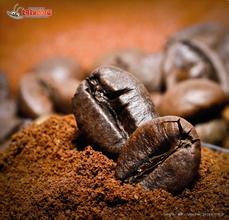
Introduction to the Flavor characteristics of Brazilian Bourbon Rivida Coffee beans, Grinding scale varieties and quality
Brazilian coffee beans the bourbon in the Brazilian bourbon Santos comes from the Bourbon Indian Arabica coffee tree. The island of Bourbon, now known as Reunion, was once a thriving place for Arabica coffee. Arabik coffee trees grown on the island were introduced around the world, and Brazil's Bourbon Santos is their descendant. Santos is from the port of Sandushi, which is a part of the Atlantic Ocean in southeastern Brazil.

Introduction of Brazilian bourbon Santos Coffee with various flavors, low acidity and lubricated taste
In Brazil, because the planting area of coffee is too large and the degree of mechanized production is relatively high, people often harvest ripe and green fruits together, and there is usually no sorting process. Sometimes coffee fruit is mixed with coffee branches and leaves. Not only that, Brazilian coffee beans are treated by sun-drying, and farmers put coffee beans of different maturity together.

Brazilian Coffee Bean Characteristics Flavor Description Grind Scale Variety Area Treatment
Brazilian Coffee Bean Characteristics Flavor Description Grind Scale Variety Production Area Treatment Brazil is figuratively compared to the giants and kings of the coffee world. There are about 3.97 billion coffee trees, and small farmers now grow 75 percent of Brazil's coffee. Brazil has twice or even three times as many coffee producers as Colombia, which is the world's second largest coffee producer.

Brazil is the country with the largest coffee production in the world.
Brazil is the largest coffee producer in the world. Because of the vast territory of Brazil, each farm has its own unique fragrance, no doubt, but also with the standard flavor of Brazil. Not only the coffee quality standard in Brazil is very strict, but also the coffee raw bean processing system in Brazil has reached a very high level from the world standard. West Santos No.2 | Brazil Santos No.2 because
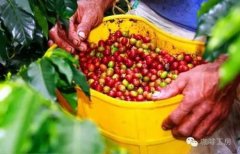
A brief introduction to the description of the flavor, taste and aroma characteristics of Brazilian boutique coffee beans
There are many large farms in Brazil, which run endless coffee plantations. They use machines to harvest and dry them. They are so efficient in automation that they regard coffee as a general agricultural material and completely abandon the flavor and flavor. As a result, many select coffee companies simply do not sell Brazilian beans so as not to demean themselves. In select coffee shops, Santos in Brazil still appears occasionally.

Description of Brazilian Coffee Flavor introduction to the taste of high-quality coffee beans
Brazilian coffee generally refers to coffee produced in Brazil. There are many kinds of coffee in Brazil. Like other Arabica coffee, Brazilian coffee is called Brazilian coffee Brazils to distinguish it from Milds coffee. The vast majority of Brazilian coffee is unwashed and sun-dried and is classified according to the name of the state of origin and port of transport. Brazil has 21 states and 17 states produce coffee, but among them

Grinding scale treatment of Brazilian Coffee beans Variety Manor Price in French producing area
Hence the name of the port of Santos. In the first three or four years before the coffee tree began to bear fruit, the beans were small and curved, with excellent flavor, and became Bourbon Santos. After that, the beans became bigger, flat in shape, no longer bent, and became flat bean Santos, and the flavor was not as good as before. In Taiwan, Brazilian coffee can be found everywhere, but most of them are flat bean Santos, in fact, Brazil

Description of Brazilian Coffee Flavor with mild Flavor characteristics of Grinding degree Variety Price Brand introduction
There are many large farms in Brazil, which run endless coffee plantations. They use machines to harvest and dry them. They are so efficient in automation that they regard coffee as a general agricultural material and completely abandon the flavor and flavor. As a result, many select coffee companies simply do not sell Brazilian beans so as not to demean themselves. In select coffee shops, Santos in Brazil still appears occasionally.

A brief introduction to the Origin, Development, History and Culture of a wide variety of Brazilian Fine Coffee beans
There are many large farms in Brazil, which run endless coffee plantations. They use machines to harvest and dry them. They are so efficient in automation that they regard coffee as a general agricultural material and completely abandon the flavor and flavor. As a result, many select coffee companies simply do not sell Brazilian beans so as not to demean themselves. In select coffee shops, Santos in Brazil still appears occasionally.

Brazilian Queen Manor Yellow Bourbon planting Manor Flavor description Taste treatment method Grinding scale
Brazilian Queen Manor Yellow Bourbon planting Manor Flavor description Taste treatment Grinding scale hence the name of Santos Port exit. In the first three or four years before the coffee tree began to bear fruit, the beans were small and curved, with excellent flavor, and became Bourbon Santos. After that, the beans became bigger, flat in shape, no longer bent, and became flat bean Santos, and the flavor was not as good as before. In the Taiwan area

Brazilian coffee 2017 current situation Brazilian coffee price latest Brazilian coffee price / wholesale quotation
Communication of professional baristas Please follow the coffee workshop (Wechat official account cafe_style) Brazil Coffee mentions the origin of coffee, the first thing that comes to mind is Brazil in South America, because it is the largest coffee producer in the world. There is a wide variety of Brazilian coffee, the vast majority of which are unwashed and sun-dried, classified according to the name of the state of origin and the port of transport. Brazil has 2.

Brazilian Coffee Plantation Area Grinding Scale Processing Flavor Description Variety Introduction
Brazil has many large farms, operating endless coffee gardens, they use machine harvesting, and the use of machine drying, automated efficiency is very high, as if coffee as a general agricultural material, completely abandoned flavor and disregard. As a result, many specialty coffee companies simply do not sell Brazilian beans, lest they demean themselves